ع
ع


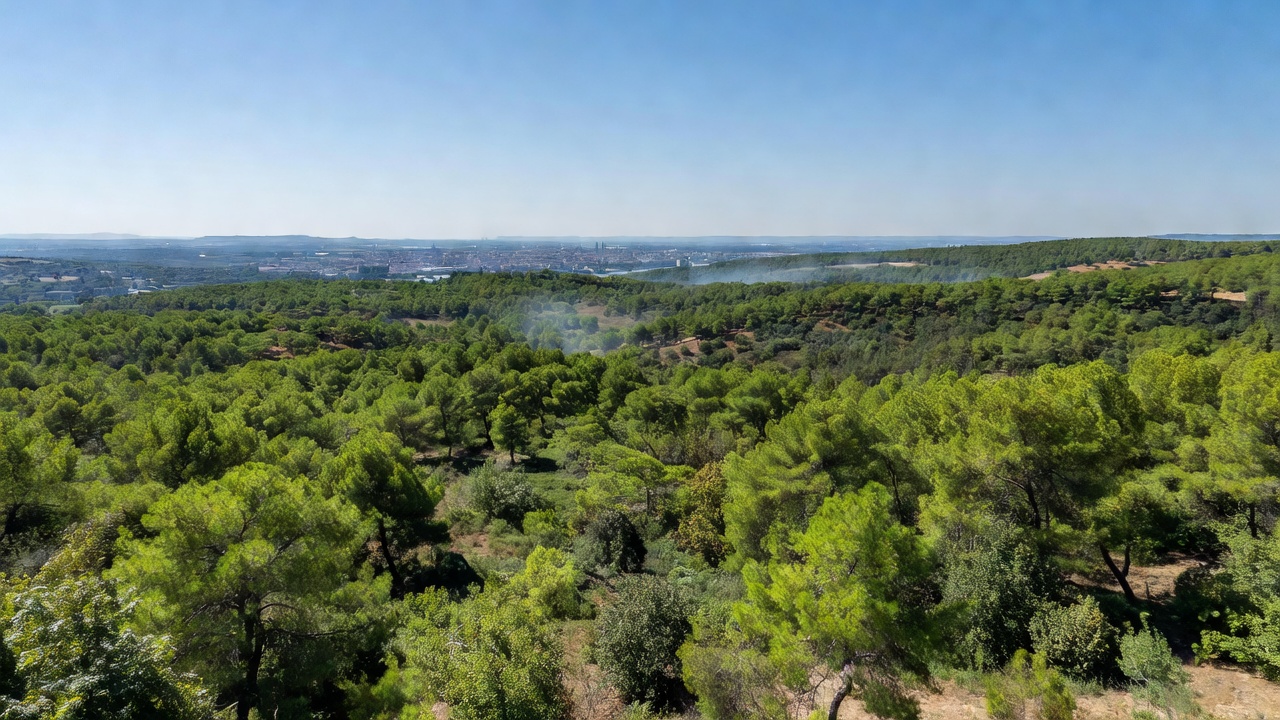
Regional prefect Sophie Brocas reported on Tuesday that 14 places already hit by wildfires in the Gironde had seen new flare-ups, warning that the south-west of France was not yet in the clear as the area braced for its fourth heatwave of the summer with temperatures forecast to hit 40C. Two thousand firefighters remained on the front lines between the coastline and Bordeaux, according to Eric Brocardi of the national firefighters’ federation, who likened the battle to David against Goliath and revealed that four of his colleagues had died in recent weeks fighting fires across the country. Commander Rémi Lassoureille voiced fears over the blaze’s western edge and its proximity of just 15km to Bordeaux, where air quality has deteriorated markedly. Local officials have also ordered the evacuation of camping sites near Lacanau while instructing residents in nearby towns to prepare for possible sudden departures.
An estimated 240 homes have been destroyed and more than 220,000 people displaced around France in recent days with an additional 4,000 tourists affected by the latest orders, the authorities said. Interior Minister Laurent Nuñez stated that 184 individuals had been arrested nationwide since 6 July in connection with the fires, including a 23-year-old man in the Var region now facing up to 15 years in prison. Health Minister Stéphanie Rist added that the government was maintaining close vigilance over air pollution levels and had urged people in impacted zones to remain indoors as much as possible.
Data from the European Forest Fire Information System places the burnt area across the European Union at 254,388 hectares so far in 2026, a total above the long-term average although slightly below the record set in 2025 during the same period. The Joint Research Centre, which oversees the Copernicus Emergency Management Service component, highlighted very extreme fire conditions in south-western France that have contributed to the elevated figures this season. The service was activated to map damage from a blaze in Saumos within the Nouvelle-Aquitaine region on 22 July, providing rapid assessments of the fire extent and impacts on forested land.
Similar outbreaks have strained resources across the Iberian peninsula, where Spain’s Madrid region has experienced its most severe fires on record and Portugal has mobilised 400 firefighters to tackle a large blaze on three fronts in the eastern Guarda area. Prime Minister Pedro Sánchez noted that while highly challenging days persisted, initial signs of progress were emerging in containing the worst fronts. Historical records maintained by the European Forest Fire Information System show that more than 95 percent of such incidents are linked to human activity rather than natural causes.
Bordeaux, home to 260,000 residents and a major tourism hub, has seen streets empty out with restaurants closing temporarily due to falling ash even though the city itself is not under direct threat from the flames. Graham White, president of the Bordeaux British Community, described the atmosphere as unusually quiet with shops and cafes reporting sharply reduced custom while some residents still ventured onto terraces despite the smoke. Peggy Plouhinec, general director of the Château Picque Caillou wine estate west of the city, said her property had closed at the weekend because of the poor air quality although subsequent rain had brought some relief, yet she anticipated a significant summer impact on the wider hospitality sector from absent tourists.
One resident of the evacuated Cap Ferret peninsula told local media that efforts should prioritise the tree-covered areas over the urban core further inland. “Everyone talks about saving Bordeaux, but in Bordeaux there’s nothing but concrete. Have you ever seen concrete burn? Here, there are only trees and when you see all that has burned, it’s a catastrophe,” the resident said. The cumulative effect of the fires has extended beyond immediate safety concerns to affect local economies reliant on summer visitors and wine production in the renowned region.