

 ع
ع


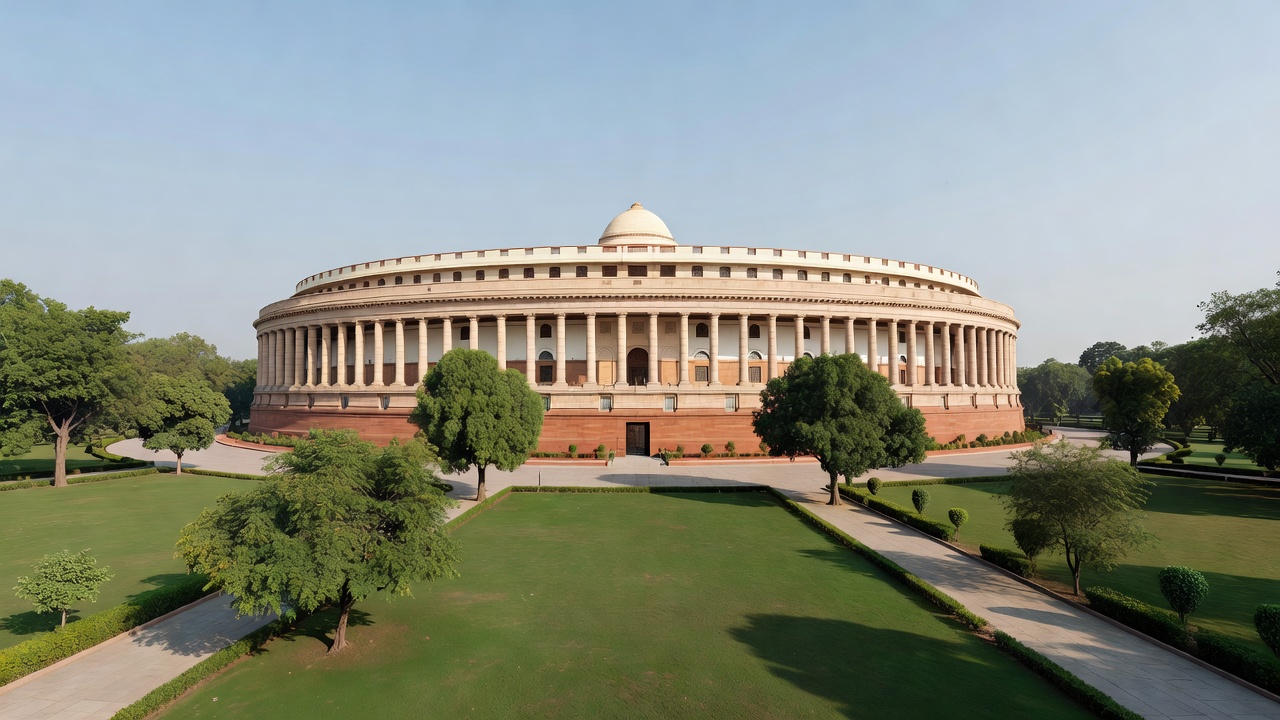
Police in New Delhi deployed tear gas and batons against crowds from the Cockroach Janta Party on July 20, 2026, as tens of thousands of mostly young demonstrators advanced on Parliament in a march organizers called Chalo Sansad. The action injured 60 protesters and 118 officers, according to DW, while authorities suspended mobile internet services near the Jantar Mantar protest site to curb coordination. A senior BJP lawmaker told reporters the party would consider the students’ concerns, but the confrontation underscored the intensity of a movement that began months earlier as online satire and rapidly grew into street activism. The Periodic Labour Force Survey reported that youth unemployment for ages 15-29 stood at 9.9 percent in 2025, a figure that experts link to the anger driving participation from multiple states.
The protest wave traces its roots to May 2026 when the movement adopted the cockroach label in response to a chief justice’s reported comparison of unemployed youth to parasites, according to The New York Times. It gained further traction after authorities canceled the NEET-UG medical entrance exam, held on May 3 for more than 2.27 million aspirants, following a question paper leak that led to arrests of insiders from the testing agency, a Wikipedia entry on the 2026 NEET controversy documented. Al Jazeera reported that the scandal contributed to at least 21 student suicides, amplifying calls for systemic change beyond the immediate trigger. Founder Abhijeet Dipke joined sit-ins at the site while activist Sonam Wangchuk ended a hunger strike after losing significant weight, as detailed in the original BBC coverage that first highlighted the youth-driven nature of the demonstrations.
Organizers demanded not only Pradhan’s resignation but also comprehensive education reforms to address repeated leaks and restore fairness in competitive testing that determines access to limited medical seats. NBC News described the participants as a Gen Z uprising that evolved from exam-specific grievances into broader demands for government accountability on employment and opportunity. One student from Meerut, Rukmini Singh, told DW, “Like many young people across India, I am angry about a lack of jobs and an education system that crushes my aspirations.” A teacher from Bihar named Vasundara Singh added in the same report, “This was an attack against our children. I saw many young boys and girls hurt and bleeding. They will never forget it but the courage these people displayed gives me hope.”
CJP chief spokesperson Saurav Das framed the effort as a prolonged battle in remarks to DW, stating, “This is a long fight. We will have to engage in a very long struggle for this. Because you have to change an entire system, the nexus of that system is very deep-rooted.” The movement’s social media accounts claimed a flood of hundreds of thousands of participants, though independent tallies from outlets like The New York Times placed the core Delhi crowd in the tens of thousands with support actions in other cities including Mumbai. Congress MP Renuka Chowdhury criticized the authorities in a statement carried by DW, asking, “Is this how a government behaves? Using tear gas and baton charges against students? This is a worthless government.”
India’s Periodic Labour Force Survey data from 2025 showed a modest decline in youth joblessness to 9.9 percent from the prior year, yet Macrotrends placed the rate for ages 15-24 at 16.02 percent, reflecting persistent challenges among educated graduates that multiple analysts tied to the protests. JNU economist Surajit Mazumdar and other researchers cited in the BBC coverage noted that unlike earlier demonstrations against citizenship laws or farm policies, this one centered on governance and administrative failures rather than ideology. Brown University fellow Yamini Aiyar observed that an organic youth outpouring had outnumbered organized political efforts, according to the same report.
Home Minister Amit Shah convened cabinet colleagues while Health Minister J P Nadda held discussions with CJP representatives following the clashes, a sequence DW and Channel News Asia both detailed as the government’s attempt to de-escalate. Pradhan subsequently tendered his resignation to Prime Minister Narendra Modi amid the sustained pressure, multiple outlets including Bloomberg and The Hindu confirmed in updates from July 24 and 25. Modi had earlier posted on X that nothing is more important than the welfare and future of India’s youth, a message referenced across coverage from the BBC to recent dispatches. University of Michigan professor Joyojeet Pal and CPR fellow Rahul Verma both assessed in the initial BBC article that the scale could signal a tipping point for youth discontent if underlying economic pressures remain unaddressed.