ع
ع


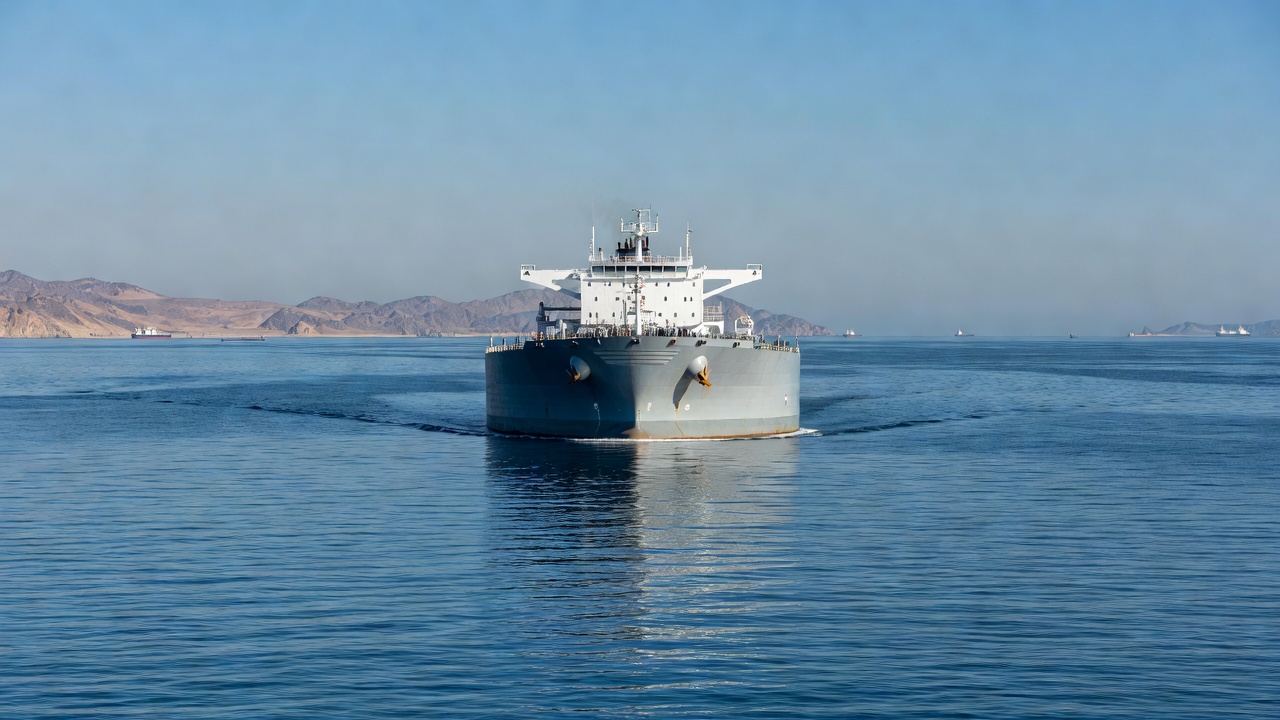
Saudi Arabia conducted airstrikes on Houthi targets in the Yemeni port city of Hodeida and nearby Kamaran island on Friday according to statements from the Iran-backed group which described the moves as a dangerous escalation targeting civilian facilities. Houthi media announced early Saturday that a Yemeni missile strike had caused fires in the Saudi city of Jizan with authorities issuing emergency alerts for the province. The Ansarollah outlet posted on Telegram that these recent crimes will not go unanswered a declaration that followed the group’s announcement of a maritime blockade on Saudi Arabia reported by Al Jazeera in the preceding days.
The US military disabled a tanker in the Gulf of Oman after its crew attempted to run the blockade on Iranian ports at least four times US Central Command reported. Navy Captain Tim Hawkins spokesman for the command told AFP that the crew was repeatedly warned but did not comply leading forces to fire into the engine room so the ship is no longer transiting to Iran. This marked the second such commercial vessel the US has disabled since reimposing the blockade earlier in the month according to the military’s account.
Iran has carried out drone strikes on US military facilities across the Middle East in retaliation for nearly two weeks of American attacks a pattern that has drawn in Omani mediation with a delegation arriving in Tehran for talks on the Strait of Hormuz as Iran’s state-run IRNA news agency reported. President Donald Trump told reporters at the White House that negotiations were continuing though he described the parties as serious yet uncertain in outcome while warning of heavier military options. We are talking to them Trump said adding that the US was locked and loaded and ready to go if needed.
Growing threats to shipping routes including the Red Sea from Houthi actions helped push crude oil prices above $100 a barrel this week before they dropped more than $4 to around $96 following the safe transit of two Chinese-chartered supertankers through the Bab el-Mandeb Strait according to Reuters figures. US Energy Information Administration data places average daily oil flow through the Strait of Hormuz at 20 million barrels equivalent to about 20 percent of global petroleum liquids consumption highlighting the chokepoint’s vulnerability. An Atlantic Council assessment found that the Houthi blockade could significantly affect Saudi exports from Yanbu which have increased fourfold from pre-conflict levels.
The US and UK plan a conference in London next week to address Strait of Hormuz security with Defence Secretary Pete Hegseth and Joint Chiefs of Staff Chairman Dan Caine expected to participate as first reported by Axios. Israeli Prime Minister Benjamin Netanyahu is scheduled to meet Trump at the White House on Tuesday amid the layered diplomatic efforts. These talks come against the backdrop of a June memorandum of understanding between Washington and Tehran that aimed to pause operations in the strait but which Trump later declared over following alleged violations.
Tensions between Saudi Arabia and the Houthis had largely subsided since a 2022 United Nations-brokered truce yet recent strikes on Sanaa airport and retaliatory actions at Abha have revived exchanges as tracked by ACLED data which recorded the first Houthi attack on the kingdom since 2023. The Council on Foreign Relations notes that the conflict continues to displace more than 4.5 million people in Yemen with 21.6 million requiring humanitarian aid. Such flare-ups risk widening the broader Iran-related conflict that has already disrupted global energy flows through both the Hormuz and Bab el-Mandeb straits.