ع
ع


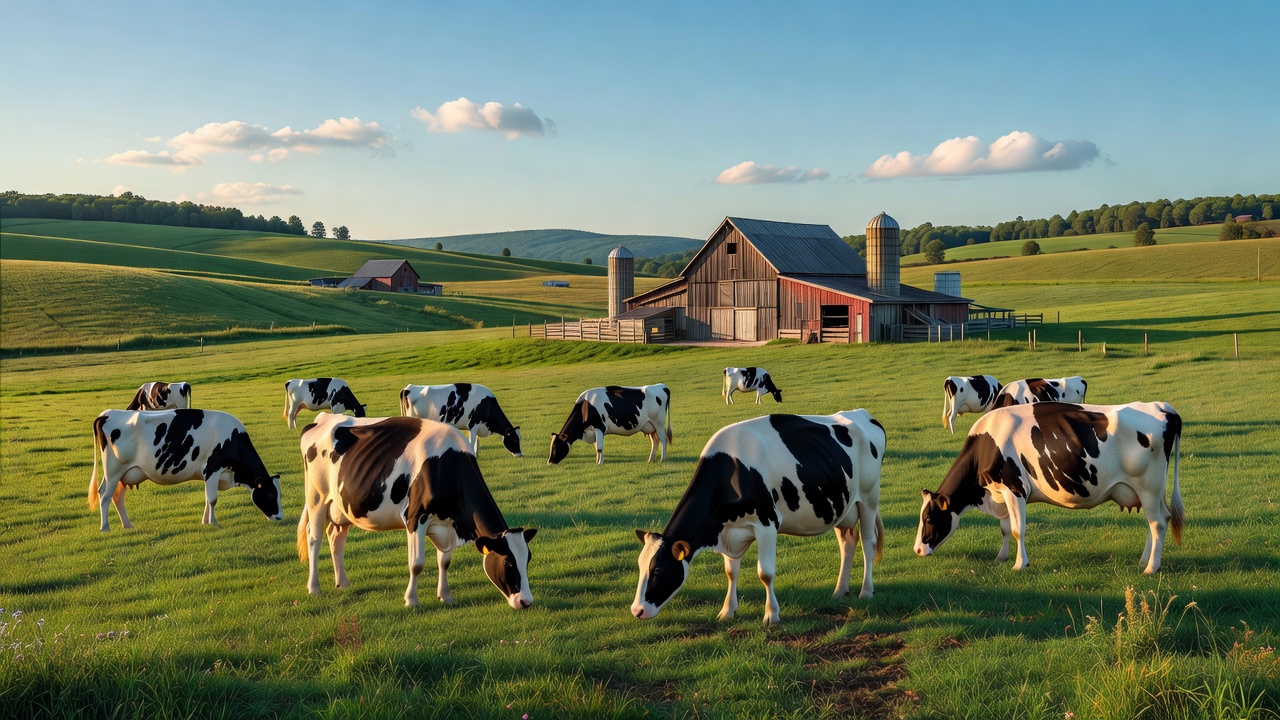
The announcement has renewed long-standing frictions over market access for American dairy producers, prompting immediate declarations from Canadian leaders that the supply management framework remains off limits in any negotiations. Quebec Premier Christine Frechette, whose province hosts the country’s largest dairy industry, stated Tuesday that the system was non-negotiable. Trade Minister Dominic LeBlanc told the BBC last week that it “is a cornerstone of Canada’s economy and our rural communities” that ensures access to high-quality products from Canadian farmers.
Canada’s supply management policies date to the early 1970s and rely on production quotas, provincially set prices and steep import barriers to stabilize the sector. Over-quota tariffs range from 200 percent to nearly 300 percent, limiting foreign competition while providing predictable incomes for farmers. US producers hold tariff-free access to only 3.5 percent of the Canadian dairy market despite Canada purchasing $1.3 billion in US dairy products in 2025, according to US Department of Agriculture figures.
The managed dairy, egg and poultry sectors together contribute roughly $30 billion to the economy, equivalent to 1 percent of national GDP, and sustain 339,000 full-time jobs from farm to distribution, a July 2025 RBC Thought Leadership assessment found. Approximately 9,430 dairy farms operate across the country, predominantly in Quebec and Ontario, although their total has declined more than 50 percent since the early 2000s amid industry consolidation, the report noted. Dairy Farmers of Canada president David Wiens, a third-generation Manitoba producer, described the system as delivering greater price stability than many other food categories while protecting food sovereignty.
Critics highlight the policy’s burden on consumers and its repeated appearance in trade disputes. A Montreal Economic Institute study cited in April 2026 reporting estimated that supply management adds an average C$244 per person annually to dairy costs. The Organization for Economic Co-operation and Development has repeatedly criticized the arrangements for distorting production and trade, a concern shared by both the current US administration and the prior Biden government, which challenged Canadian quota allocations twice under the USMCA pact.
Public opinion data indicates around 77 percent of Canadians back retention of the system to shield local agriculture, according to polling referenced in recent coverage. Letters to newspapers have echoed that sentiment, with readers stating preferences against cheaper American milk imports. David Clement, Canadian policy director at the Consumer Choice Center, told the BBC that the dairy lobby ranks as the most powerful in the country, spanning all major parties, yet he argued the framework artificially elevates prices amid the cost-of-living pressures facing households.
Earlier trade agreements have already trimmed domestic market share for Canadian producers, leading to government compensation packages projected in the billions. A C.D. Howe Institute analysis published in April 2026 forecast that the supply management model would ultimately disappear under sustained external pressure, noting billions in annual US federal and state subsidies to American dairy operations that could invite Canadian trade remedy actions. The policy’s quota values have also created significant barriers for new entrants, with estimates placing combined dairy quota holdings at tens of billions of dollars.