ع
ع


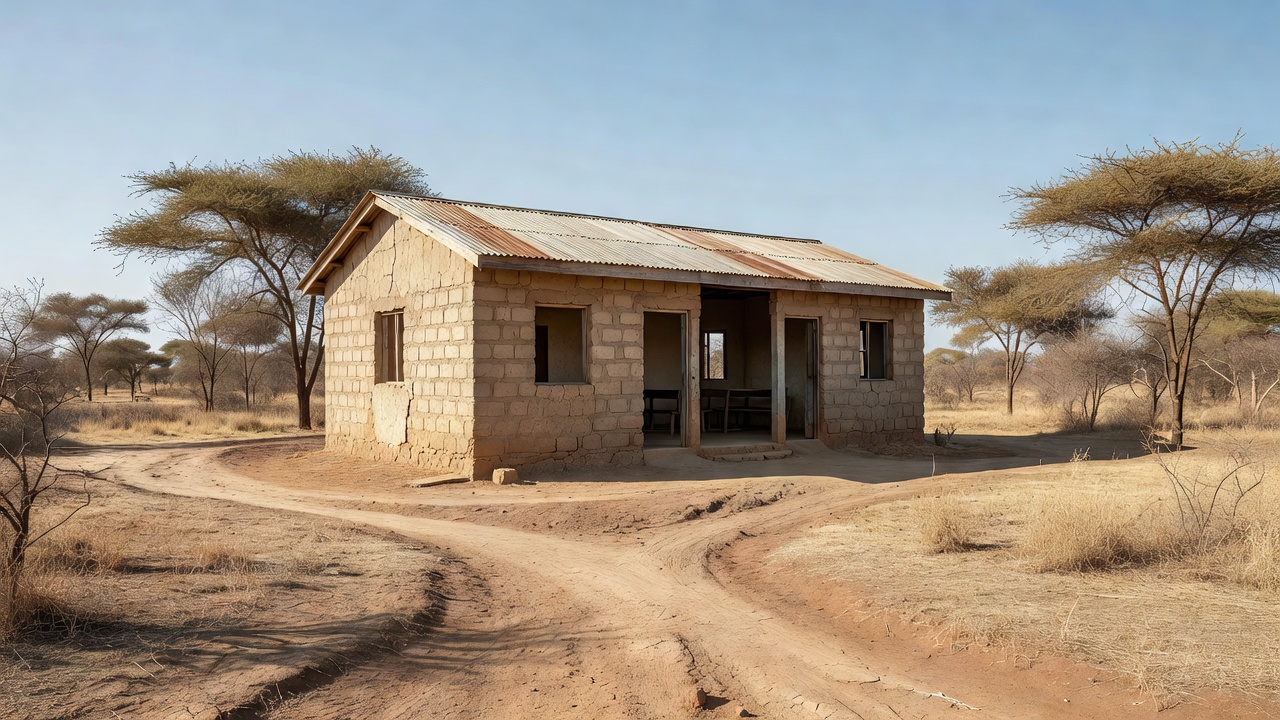
Kenya’s Ministry of Education has directed the closure or merger of 2,145 public primary schools after determining they fell below the minimum enrollment of 45 students required for viability, Education Minister Julius Ogamba stated. The decision extends an earlier move that saw 10 public secondary schools shut down in 2024 because they had no students at all, with another 2,700 secondary institutions operating below the 150-pupil mark according to ministry tallies. Kenya’s National Treasury Education Sector Report for 2025 showed enrollment in public primary grades 1 through 6 falling to 6.1 million in fiscal year 2024/25, down from 8.1 million three years earlier, while junior secondary numbers rose sharply as the curriculum transition advanced. The ministry’s audit found many of the affected primary schools concentrated in counties such as Kitui, where infrastructure proved inadequate for new teaching requirements.
BBC reporting from Kitui county detailed how Kaliluni Primary School saw its rolls collapse from more than 200 pupils three years ago to only five, leaving cows to graze inside disused classrooms. Sooma Primary School in the same area closed entirely in 2023 with six remaining pupils, followed by Manooni Primary School in 2024 with just three, according to local education officials cited in the reporting. Parents described lengthy walks to alternative schools, with one 12-year-old girl telling the BBC she felt bad missing lessons while urban peers continued uninterrupted. The pattern reflects a wider enrollment crisis that has prompted the government to redirect teachers and funding toward consolidated facilities.
A World Bank assessment of Kenya’s education reforms noted that while the competency-based curriculum introduced in 2017 has lifted national performance rankings in Eastern Africa, outcomes remain markedly weaker in rural zones because of persistent infrastructure gaps. UNESCO documents on curriculum shifts across the region highlighted that rural Kenyan schools often lack laboratories, trained instructors for practical subjects and consistent teacher preparation, complicating the move away from the former exam-driven 8-4-4 system. The National Treasury report recorded junior secondary enrollment climbing to more than 3.1 million by fiscal year 2024/25 as 1.1 million students transitioned in early 2024, yet many rural primaries could not meet the upgraded facility standards now expected for grades seven to nine. Implementation shortfalls, including skipped cost projections at rollout, have compounded the strain on remote institutions according to education analysts.
UN-Habitat projections indicate that while 70 percent of Kenyans lived in rural areas in 2023, more than half the population will reside in towns and cities by 2050, accelerating the decline in village school-age cohorts. World Bank data on migration patterns shows that each additional year of schooling raises the probability of urban relocation by 3 to 4 percent, drawing young families away from farming communities where economic pressures have also reduced birth rates. Residents in Kitui told the BBC that rising living costs and limited job prospects discourage marriage and childbearing, directly shrinking the pupil pipeline for local primaries. These demographic shifts have left some villages with dwindling numbers of school-age children even as national enrollment targets remain ambitious.
Dr Emmanuel Manyasa of Usawa Agenda told the BBC that the competency-based curriculum is sound in principle but its execution has relied on crisis management rather than thorough planning, leaving rural schools especially exposed. One teacher with seven years of service in Machakos county, which borders Kitui, described the transition as swinging from one extreme to another, arguing every child deserves comparable access to materials regardless of location. A parent named Tabitha Katingu stated the new system should strengthen low-income rural communities rather than weaken them through resource shortfalls. Education expert Mark Kasyoki echoed concerns over acute gaps in laboratories and specialised staffing that the curriculum now demands.
The ministry has emphasised that maintaining head teachers, watchmen and classrooms for tiny pupil groups is unsustainable, with Ogamba calling for a realistic reallocation of resources to ensure facilities match student numbers. Consolidation efforts are expected to ease overcrowding in recipient schools while addressing safety risks that arise when children travel longer distances daily. Further data from the education sector report pointed to budgetary constraints that have slowed instructor recruitment and infrastructure upgrades, particularly in arid and semi-arid zones where disparities are widest. Officials continue to monitor enrollment trends as the final cohorts of the old curriculum phase out through 2026.