

 ع
ع


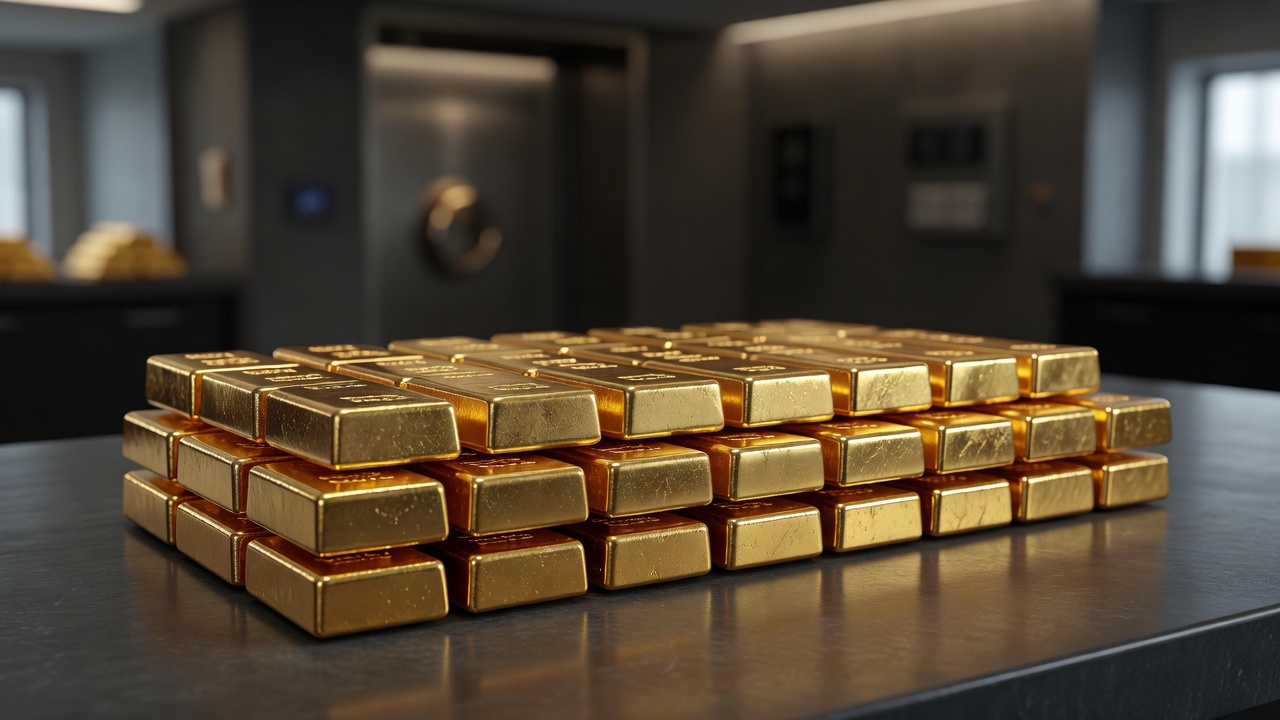
Gold was set for a fourth straight weekly fall on June 26 2026 pressured by a stronger dollar driven by expectations of U.S. interest rate hikes while investors also assessed the fragile U.S.-Iran peace agreement Reuters reported. Spot gold slipped 0.1 percent to $4022.95 per ounce by 0046 GMT and was on track for a weekly loss of 3.4 percent with U.S. gold futures for August delivery losing 0.2 percent to $4038.10.
The Reuters report detailed that the dollar index rose 0.1 percent to 102.45 and was heading for its second straight weekly gain. This strength in the greenback has weighed on dollar-priced commodities including gold. Market participants have increasingly priced in the possibility of the Federal Reserve raising rates before the end of the year following last week’s policy meeting where a hawkish tone was struck. The news agency noted that this monetary policy outlook has dominated trading in recent sessions.
According to Reuters gold had fallen below the $4000-an-ounce mark on Wednesday for the first time since November 2025. The metal recovered slightly on Thursday after U.S. inflation data came largely in line with expectations easing some immediate worries over aggressive rate moves. However the weekly trend stayed negative as underlying inflation concerns kept rate hike bets alive into Friday.
Reuters figures show all precious metals were heading for weekly losses with silver down 0.5 percent at $35.72 per ounce and set for a 3.6 percent drop. Platinum fell 0.7 percent to $1078.50 and was on course for a 4.2 percent weekly decline according to the data. Palladium dropped 1.1 percent to $1045.00 completing a broad sell-off across the sector with a projected 6.5 percent weekly loss.
A Reuters assessment found that the Federal Reserve struck a hawkish tone at its recent meeting signaling that interest rate hikes could be necessary if inflation does not moderate further. U.S. inflation readings aligned with forecasts but did little to remove concerns over persistent price pressures in the economy. This reinforced expectations for a more restrictive policy path in the months ahead.
Speaking to Reuters analyst Meger said “That’s some of the reason why we’ve seen gold deteriorate over the course of the last several sessions.” The comments reflected the interplay between the latest economic data and the central bank’s outlook. Gold’s recent moves contrast with gains seen earlier in the year when geopolitical risks provided more support for the metal.
Investors were also weighing the fragile U.S.-Iran peace agreement which faced renewed concerns after an incident in the Strait of Hormuz according to Reuters. The pact had initially offered hopes of reduced regional tensions that could affect commodity flows. Its stability remains a secondary factor as U.S. monetary developments take center stage in driving gold prices.