

 ع
ع


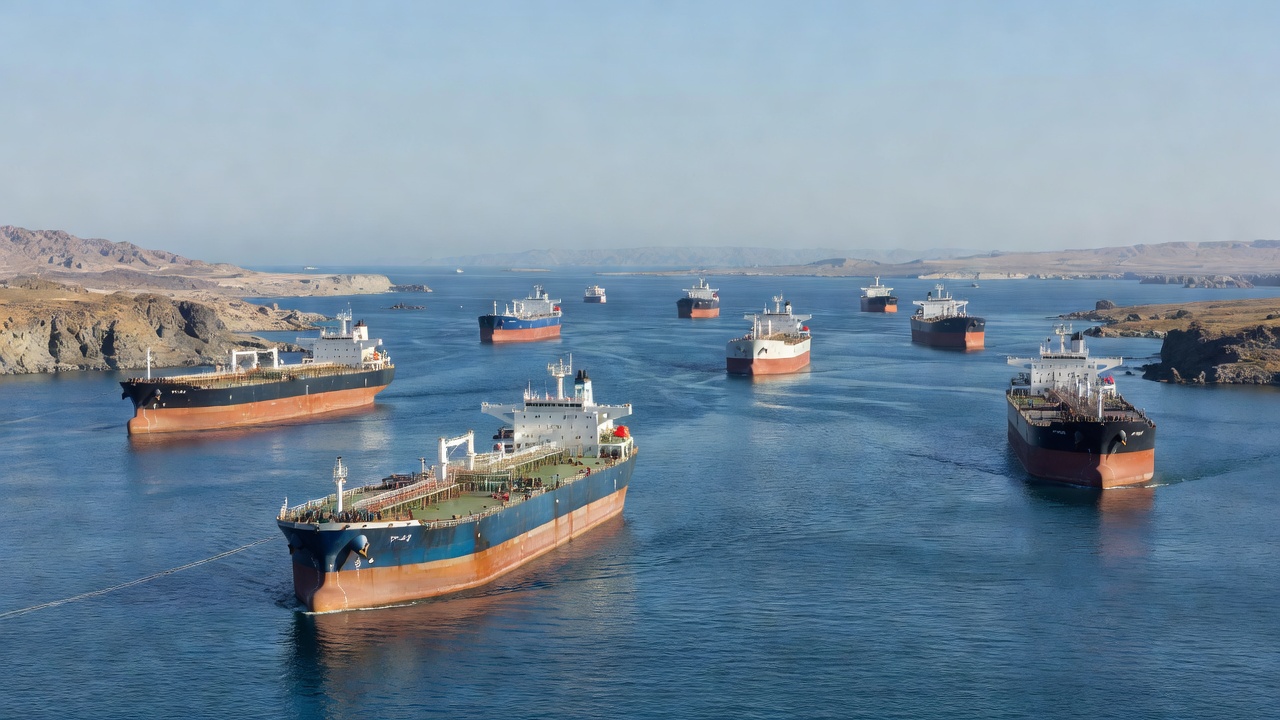
Brent crude fell below $72.48 a barrel on June 25 to levels last recorded before the February 28 attacks that triggered the Iran conflict, according to BBC News reporting on market trading. The decline followed a June 17 memorandum of understanding between the United States and Iran that launched 60 days of nuclear negotiations and authorised limited Iranian crude sales, a development that has allowed gradual resumption of tanker movements through the Strait of Hormuz. Reuters noted that the waterway carried roughly 20 percent of global oil flows before the war, and its reopening forms a central focus for traders assessing supply recovery.
BBC News reported that roughly 80 vessels have crossed the strait since the start of the week after talks in Switzerland, compared with more than 100 ships per day before the conflict, while hundreds of tankers remain queued for passage. Kpler shipping data cited by the outlet showed increased activity on both northern and southern routes under arrangements involving Iranian permissions and United States Navy assurances. The resumption aligns with the partial lifting of sanctions that had curtailed Iranian exports since the outbreak of hostilities, according to separate CNBC coverage of Treasury Department actions.
The U.S. Energy Information Administration forecast that global oil demand will fall by 1.1 million barrels per day in 2026 compared with 2025, a contraction it attributed to sustained high fuel prices, reduced availability and government conservation measures particularly in Asia. EIA figures show that Middle East producers cut output by more than 11 million barrels per day in May relative to pre-conflict levels, triggering inventory draws that averaged 6.3 million barrels per day in the second quarter and pushed OECD stockpiles to their lowest since 2003. The agency expects shipments through the strait to resume incrementally in the third quarter, allowing prices to ease toward an average of $79 a barrel in 2027.
International Energy Agency data placed cumulative supply losses from Gulf producers at more than 1 billion barrels since the conflict began, with April global supply falling to 95.1 million barrels per day after a further 1.8 million barrel per day decline that month. The IEA projected an average 3.9 million barrel per day reduction in worldwide supply for 2026 as a whole even with the assumed partial reopening, a shortfall only partly offset by higher output from the Atlantic Basin. Its May oil market report cautioned that full restoration of pre-war flows could take until early 2027, keeping inventories tight in the interim.
President Donald Trump directed the Justice Department on June 24 to investigate major oil companies including Shell and ExxonMobil for alleged price gouging after crude prices declined but pump prices failed to follow at the expected pace, according to a Guardian report on the president’s social media statement. Trump said oil prices “have come down so much and we are not seeing anything at the pump by comparison the way they should be,” a position echoed by the American Petroleum Institute which stated that fuel prices “should move in lockstep with crude oil.” The United Kingdom competition watchdog, in an assessment released last month, found no widespread evidence of profiteering with average profit margins “broadly unchanged” between February and March.
United States regular gasoline averaged $3.93 per gallon as of June 25, a decrease from the April peak of $4 that had marked the highest level since 2022 but still above pre-conflict readings, BBC News reported. The New York Times noted that optimism surrounding the Vance-led talks in Switzerland and the temporary waiver of sanctions on Iranian exports contributed to a near 3 percent drop in Brent futures to around $78 a barrel in the preceding session. Al Jazeera reported that the international benchmark had already slid to its lowest since early March by mid-June as hopes grew for a framework agreement to end the US-Israel operations against Iran.