ع
ع


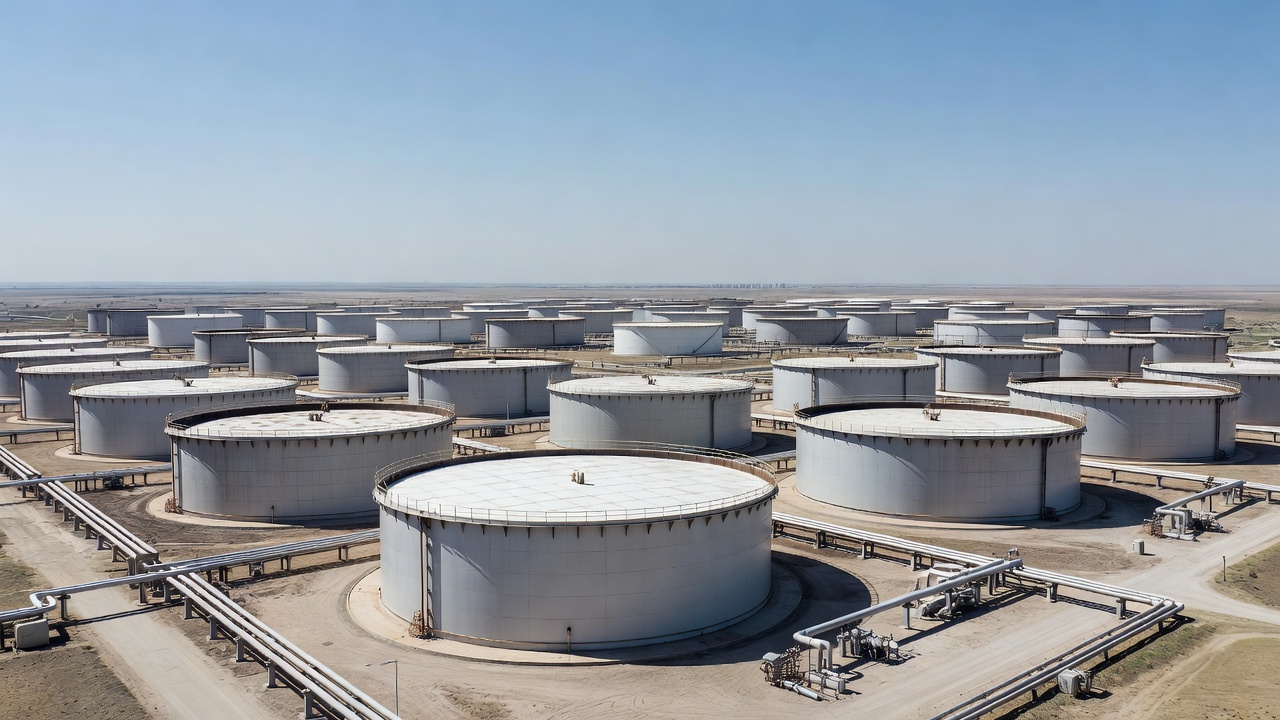
Oil prices fell on June 25, 2026 as supply concerns eased with Brent crude dropping to US$73.34 per barrel, the Emirates News Agency reported, reflecting progress in US-Iran peace efforts that improved the supply outlook after earlier spikes from regional conflict. West Texas Intermediate crude followed suit as traders adjusted positions amid sufficient global inventories and expectations of normalized flows.
The Emirates News Agency reported that the price drop extends losses for a fourth consecutive session and has wiped out all gains made since the outbreak of the Middle East conflict. Market data incorporated by the agency showed the decline aligning with reduced fears over potential disruptions to key oil routes and production. Trading Economics figures placed Brent at $73.12 per barrel by the close of trading on the day while noting a 24.36 percent fall over the past month that nevertheless left the benchmark 9.64 percent higher than a year earlier.
J.P. Morgan Global Research projected in a June 2026 assessment that Brent crude would average around $60 per barrel for the full year citing soft supply-demand fundamentals. Natasha Kaneva head of Global Commodities Strategy at the bank stated that oil surpluses visible in January data are likely to persist. The assessment indicated that sizable surpluses later in the year would require voluntary and involuntary production cuts by OPEC+ to prevent excessive inventory accumulation and stabilize prices.
The International Energy Agency found that the war with Iran forced Persian Gulf countries to slash output by more than 14 million barrels a day which amounted to almost 14 percent of prewar global supply. A variety of measures including releases from strategic petroleum reserves have helped blunt the impact of those losses according to the agency. Inventory levels have drawn close attention from market participants monitoring the balance between supply and demand.
A report from the EIA’s Short-Term Energy Outlook has pointed to oil demand rebounding by 2.5 million barrels per day in 2027 to reach 105.3 million barrels per day following a return of supply flows later in 2026. Such projections incorporate assumptions about normalized production and growing commercial activity across major economies. Analysts continue to monitor signals from upcoming OPEC+ meetings that could influence output decisions in response to the current surplus outlook.
West Texas Intermediate contracts mirrored the downward movement in Brent with the U.S. benchmark also registering losses that reflected global trends rather than isolated domestic factors. The parallel declines occurred as industry participants assessed the implications for energy costs in sectors ranging from transportation to manufacturing. Futures markets indicated expectations for continued volatility in the near term even as the immediate supply risks appeared to recede.
Emirates News Agency noted that the easing of concerns followed a period in March 2026 when international oil prices surpassed the $100 per barrel threshold for the first time since 2022 driven primarily by the outbreak of the Iran war. That surge saw Brent reach an intraday high above $119 in response to strikes on energy infrastructure and closures affecting critical shipping lanes. Subsequent moderation occurred after announcements regarding potential coordinated releases from strategic reserves by G7 finance ministers.