ع
ع


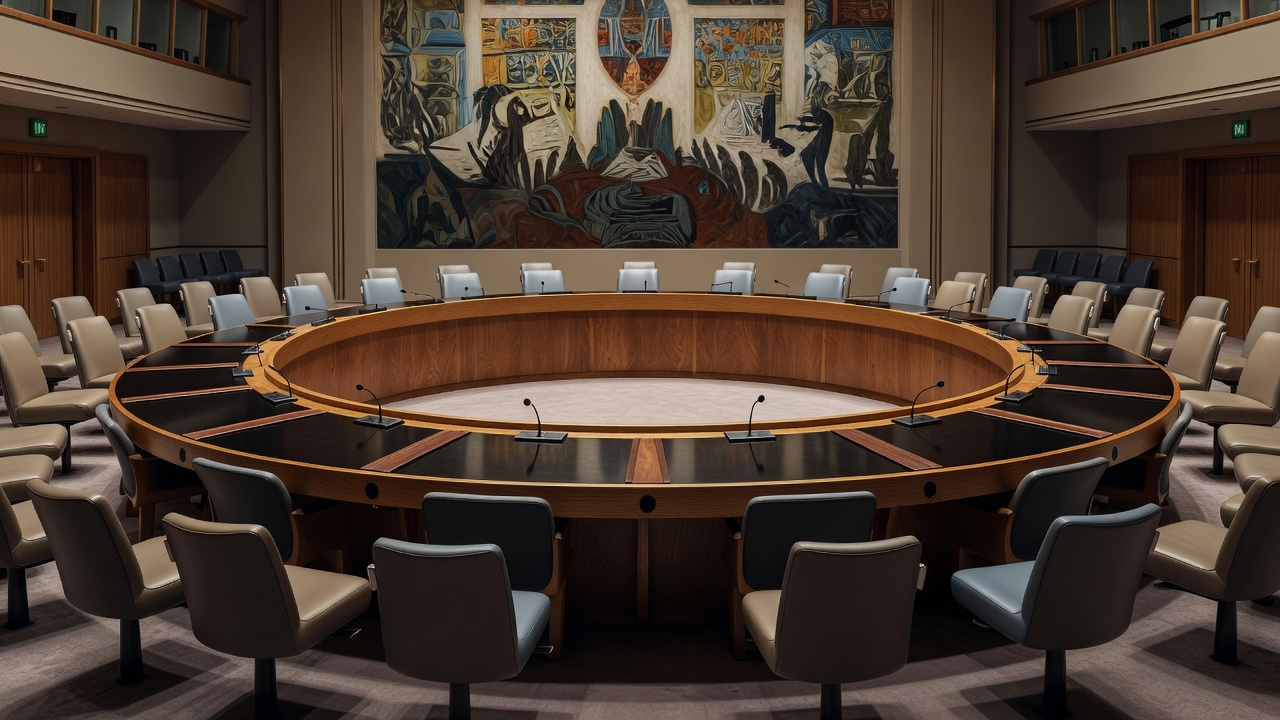
The UN Security Council convened an emergency briefing on February 28, 2026, to address US and Israeli strikes on Iran together with Iran’s retaliatory missile and drone attacks on Israel and US bases in Bahrain, Jordan, Kuwait, Qatar, Saudi Arabia and the United Arab Emirates. UN Secretary-General António Guterres was expected to lead the discussion, reiterating his earlier call for an immediate cessation of hostilities and a return to negotiations, according to a Security Council Report preview of the meeting. The session, held under the agenda item “The situation in the Middle East,” followed requests from multiple Council members including France, China and Russia after the strikes commenced earlier that day.
Several Council members requested the meeting after the US-Israeli operation began, with France acting first and Bahrain citing Iranian strikes on Gulf states, the Security Council Report stated. China and Russia sought discussion under the “Threats to international peace and security” item, describing the US-Israeli action as unprovoked aggression, while Iran sent a letter to the Council invoking Article 51 of the UN Charter and demanding an emergency session to halt what it termed unlawful use of force. The UK, holding the February presidency, scheduled the meeting under the Middle East agenda, with Guterres set to brief on the fluid situation that included reported deaths of senior Iranian officials.
US President Donald Trump announced that the operation aimed “to defend the American people by eliminating imminent threats from the Iranian regime,” according to the Security Council Report summary of his Truth Social video. Israeli Prime Minister Benjamin Netanyahu issued a parallel statement accusing Iran of deceitful negotiations and suggesting the operation would enable Iranians to “cast off the yoke of this murderous regime.” The strikes followed weeks of US warnings and parallel diplomatic efforts mediated by Oman, which had claimed a potential breakthrough on Iran’s nuclear program the previous day.
This marked the second round of direct US-Israeli strikes on Iran in less than a year, after an initial exchange in June 2025 that included US bombing of Iranian nuclear facilities, the Security Council Report noted. Reports indicated the latest operation targeted military installations, government sites and officials including IRGC commander Mohammed Pakpour and Defence Minister Amir Nasirzadeh, with unconfirmed claims that Supreme Leader Ali Khamenei was among those killed. Iranian state media reported an airstrike on a school in Minab that killed more than 60 students, according to the same preview document.
Guterres condemned the escalation in a statement issued earlier on February 28, maintaining that the use of force by all sides “undermine international peace and security” and noting the UN Charter prohibition on the threat or use of force inconsistent with the UN’s purposes, the Security Council Report said. A number of Council members were expected to echo calls for de-escalation, with China and Russia likely to criticise the US-Israeli action as a violation of sovereignty. In contrast, other members planned to highlight Iran’s nuclear and missile programmes along with its regional activities, the document indicated.
A subsequent overview of the 2026 Iran war that opened with the February 28 strikes recorded thousands of deaths across Iran, Israel, Lebanon and Gulf states together with millions displaced, according to Britannica. The conflict disrupted shipping through the Strait of Hormuz, causing global oil prices to surge from about $70 per barrel to an average of $103 in March and prompting the International Energy Agency to release 400 million barrels of emergency stocks. By June 2026 the UN Security Council continued to hold regular meetings on advancing political solutions in the Middle East, with a high-level debate on mediation taking place on June 10.