ع
ع


Iranian Defiance Persists as US-Israeli Strikes Damage Pharmaceutical and Religious Sites
US and Israeli forces struck targets across Tehran, Isfahan and other locations in Iran on March 31, as commanders of the Islamic Revolutionary Guard Corps signaled their readiness for a prolonged war of attrition. The latest assaults caused power outages in the capital, damaged a major pharmaceutical producer and triggered massive explosions in a mountainous area near Isfahan, according to local authorities and residents. Iranian officials said more than 2,000 people have been killed across the country since the conflict erupted on Feb. 28, while President Donald Trump renewed threats to target oil and gas installations as well as water desalination plants.
The strikes hit industrial areas in Karaj near Tehran, where authorities reported extensive damage to Tofigh Darou, a leading producer of ingredients for cancer and multiple sclerosis medications. Iran produces nearly 99 percent of its medicines for the domestic market, though the industry has faced declining production due to energy deficits and reliance on imported raw materials, a Stimson Center analysis found in February 2025.
Israeli forces also issued warnings for residents to avoid Vardavard west of Tehran, an area housing multiple pharmaceutical firms. The attacks form part of a pattern that has also included bombings of nuclear sites, steel plants and a university involved in missile development.
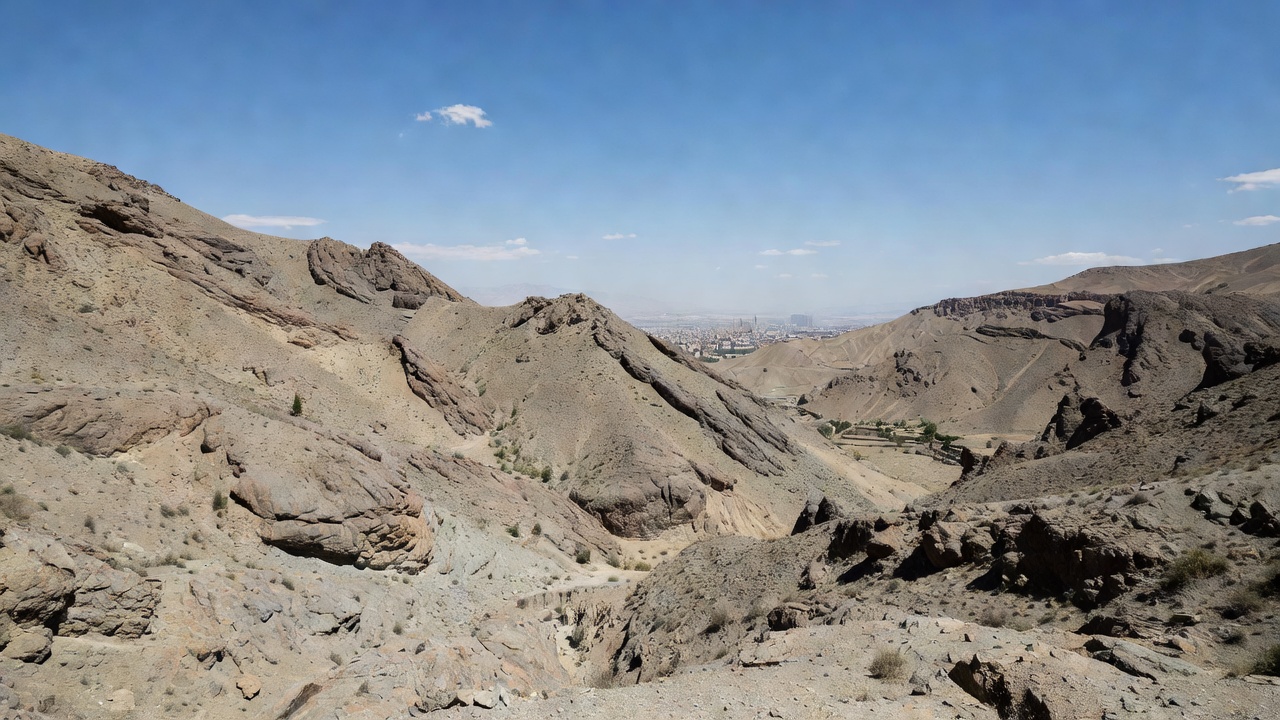
In Isfahan, heavy bunker-buster bombs dropped on a mountainous zone next to the city caused what residents described as some of the largest secondary explosions since the war began, lighting up the night sky. Local media reported considerable destruction in Zanjan at a building belonging to the administrative department of a major religious center, where at least four people were killed and others injured, according to provincial authorities. The incidents added to the growing list of damaged residential units, schools, hospitals and historical locations across Iran.
This week’s operations also targeted civilian nuclear facilities, the country’s top steel manufacturers along with their power sources, petrochemical plants and the Iran University of Science and Technology in Tehran. A professor at the university who contributed to Iran’s missile program was assassinated with his two children at their home in northern Tehran the previous week. Iranian authorities have accused the US and Israel of seeking to degrade the country’s industrial and scientific capabilities.
The IRGC, which Iranian state media indicated is directing the war effort, released video of ballistic missile launches toward Israel and the region as well as the downing of two US MQ-9 Reaper drones. Ebrahim Zolfaghari, spokesman for the Khatam al-Anbiya Central Headquarters, stated in a video message that the idea of gaining dominance over the Strait of Hormuz is “a wish they will take forever to the grave”. The strait carries around a quarter of global seaborne oil trade, according to a March 2026 UNCTAD publication, making it a critical chokepoint in the escalating maritime tensions.
Senior IRGC commander Ali Fadavi told state television that American vessels represent “the most vulnerable point of the enemy” and claimed US warships were broadcasting fake transponder signals to mask their true positions farther from Iranian shores. Ali Akbar Velayati, a longtime adviser to the late Supreme Leader Ayatollah Ali Khamenei, posted on social media that any ground aggression would turn the conflict into an “historical and civilisational defence”. The commanders’ remarks coincided with an Iranian drone strike that started a fire on a Kuwaiti tanker at Dubai Port.
Iranian authorities executed two additional individuals on March 31, identified by the judiciary as armed members of the Mujahedin-e Khalq group, which Tehran designates as terrorist. The judiciary spokesman Alireza Jahangir announced new indictments against 200 people accused of acting as mercenaries for the US and Israel by recording and transmitting footage of the strikes. This follows a series of executions linked to January protests in which state forces killed thousands, according to human rights groups, though Iranian officials attribute the unrest to foreign-backed rioters.
President Masoud Pezeshkian convened his first cabinet meeting since the war’s outset on March 30 at an undisclosed location, with state media releasing images of the session. Pezeshkian was quoted as saying any decision to end the war would be made “strictly while considering all raised conditions and in the framework of ensuring dignity, security and interests of the great Iranian nation”. Reports from Israeli media suggested internal debates over negotiation authority, but the IRGC has reportedly resisted concessions.