ع
ع


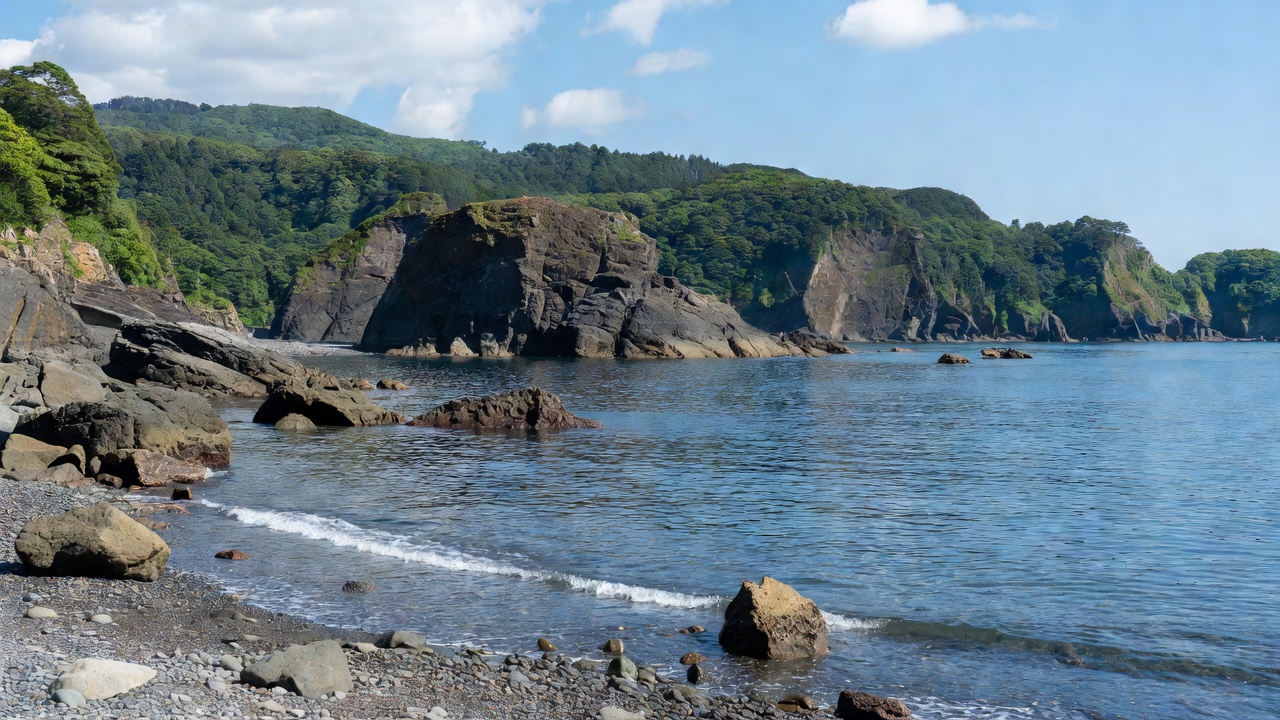
A 7.4-magnitude earthquake struck off Japan’s northeastern coast on April 20, 2026, prompting initial tsunami warnings for waves of up to three metres that were later cancelled after only minor surges were recorded. The quake, centred 97 km east-northeast of Miyako in Iwate Prefecture, led to evacuation orders for over 170,000 people in coastal areas, according to Japanese authorities. No major damage or serious injuries were reported following the event.
The U.S. Geological Survey reported that the earthquake resulted from thrust faulting near the subduction zone interface at a shallow depth. It struck at approximately 4:53 p.m. local time, sending tremors felt in Tokyo hundreds of kilometres away. The agency maintained the magnitude at 7.4 while the Japan Meteorological Agency revised its initial estimate upward to 7.7 in subsequent updates. Some analyses described the event as a low-end megathrust quake.
According to the Japan Meteorological Agency, tsunami warnings were issued for the Pacific coasts of Aomori, Iwate and parts of Hokkaido prefectures shortly after the quake. An 80-centimetre wave was measured at a port in Kuji, Iwate, about 40 minutes later, leading to the downgrade of the warning to an advisory before full cancellation two hours after the tremor. More than 170,000 residents evacuated to higher ground in response to the alerts, as detailed in official briefings.
The event prompted Japan’s authorities to issue a special advisory on the elevated risk of a megaquake of magnitude 8.0 or stronger in the northern region, the Japan Meteorological Agency said in a statement. Chief Cabinet Secretary Minoru Kihara told a news conference that preliminary assessments showed no significant damage or casualties. The advisory highlighted that the probability of such a large follow-up earthquake was relatively higher than normal.
Japan experiences roughly 20 per cent of the world’s earthquakes with magnitudes of 6 or above, according to long-term USGS statistics on global seismic activity. This latest tremor occurred in the same general area as the devastating 2011 Tohoku earthquake, which measured 9.0 and triggered a tsunami that claimed nearly 20,000 lives, per Japanese government tallies. Enhanced building codes and early warning systems implemented since 2011 helped limit the impact of the April 2026 event.
Geological reviews of the April 20 quake noted that it generated a small tsunami visible in coastal video footage from eastern Japan. The minor waves served as a scientific example of small-scale tsunamis from such events, though residents expressed relief at the limited scale. Monitoring continues as part of routine seismic protocols in the subduction zone.
Emergency services across the affected prefectures conducted rapid surveys of infrastructure, finding only minor disruptions, a government statement indicated. The U.S. Embassy in Japan had issued an alert to citizens regarding the initial tsunami warning. Officials stressed the importance of heeding future advisories given the region’s geological volatility.