

 ع
ع


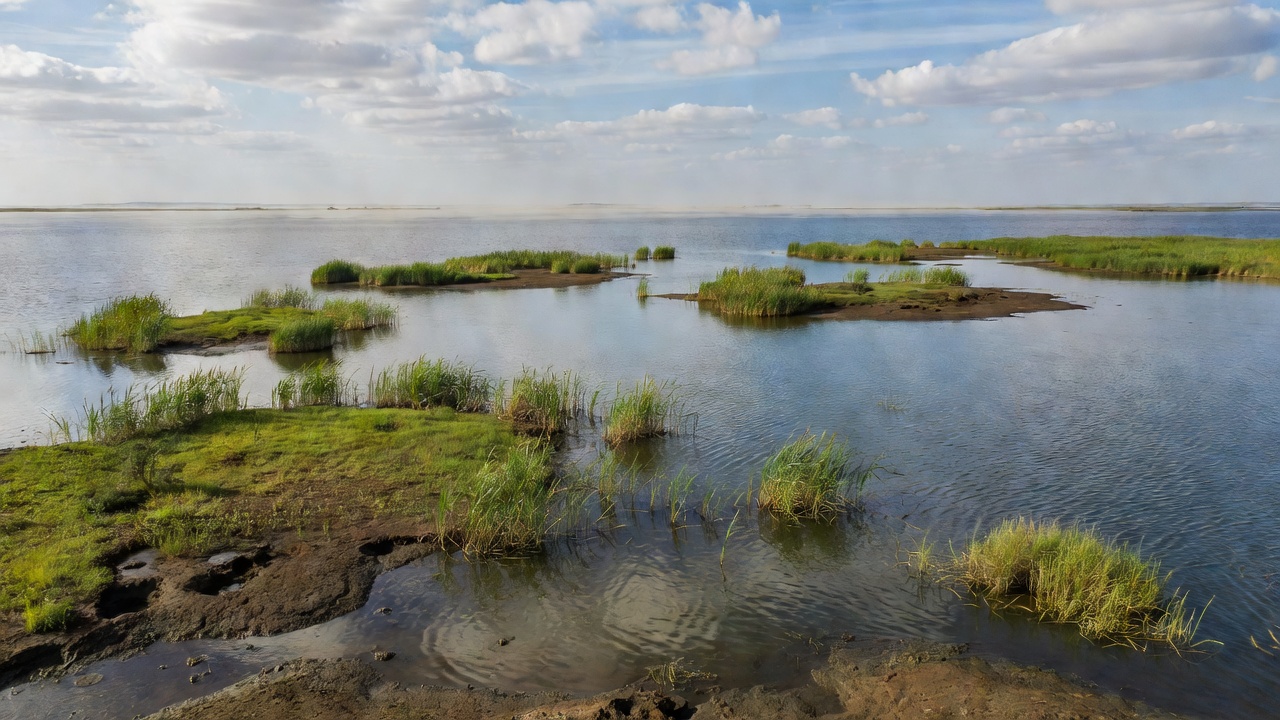
According to the Chadian armed forces, Boko Haram killed at least 23 soldiers and injured 26 in a Monday night attack on a military post at Barka Tolorom island in the Lake Chad region on May 4, 2026, with a significant number of militants also killed as the assault was repelled. President Mahamat Idriss Deby Itno said in a Facebook post the next day that the group had carried out a cowardly attack and that forces would pursue the threat until it is eradicated.
The president’s message offered condolences to the bereaved families of the fallen troops. Al Jazeera reported that Chadian soldiers have faced increasing attacks from Boko Haram in the Lake Chad area, including one in October 2024 that left about 40 soldiers dead. In response to that earlier incident, Deby launched a counteroffensive that he said he would personally lead for two weeks, an operation that concluded in February 2025 with the army declaring that Boko Haram no longer maintained any sanctuary on Chadian territory. The Al Jazeera article noted that recent months have also seen a surge in attacks by the group’s JAS faction, including kidnappings and strikes on advanced army positions especially on the islands and along Niger’s portion of the lake shores.
According to a report from the Africa Centre for Strategic Studies, the Lake Chad Basin experienced a 28-percent increase in fatalities from militant Islamist activity in the year leading up to 2026, reaching 4,779 deaths and marking the highest toll since 2015. The centre’s assessment found that Boko Haram was linked to 56 percent of those fatalities while the Islamic State in West Africa accounted for 43 percent, with a 62-percent rise in battle-related deaths overall. This data underscores the continued activity by both Boko Haram and its rival splinter group in the shared border zone.
The Global Centre for the Responsibility to Protect has reported that more than 17,000 people have died across the four countries since Boko Haram began its insurgency in 2009. Over 2.7 million people are currently displaced in Nigeria, Cameroon, Chad and Niger due to Boko Haram activity, according to OCHA figures. Lake Chad’s islands and marshes have served as a haven for the ISIL affiliate in West Africa Province known as ISWAP, which has added to the security challenges in the area.
Chad has faced years of instability marked by recurring rebellions, armed factions and coups, Al Jazeera reported, with economic stagnation and a harsh climate keeping the oil-rich but landlocked Central African country among the poorest in Africa. The government has declared a state of emergency in the Lake Chad region in response to the persistent threats. An estimated 8.3 million people are in need of food assistance in Nigeria’s Adamawa, Borno and Yobe states where Boko Haram has been most active, OCHA data shows.
Boko Haram and ISWAP engaged in direct fighting from November 5 to 8, 2025, on Lake Chad in Nigeria’s Borno State, during which Boko Haram overran several ISWAP-held settlements according to a summary by the Institute for Security Studies. Such rival clashes have occurred alongside operations targeting military positions in the basin. The Multinational Joint Task Force involving troops from the affected countries continues to address the threat in the Lake Chad Basin, with its activities highlighted in African Union updates from late 2025.