

 ع
ع


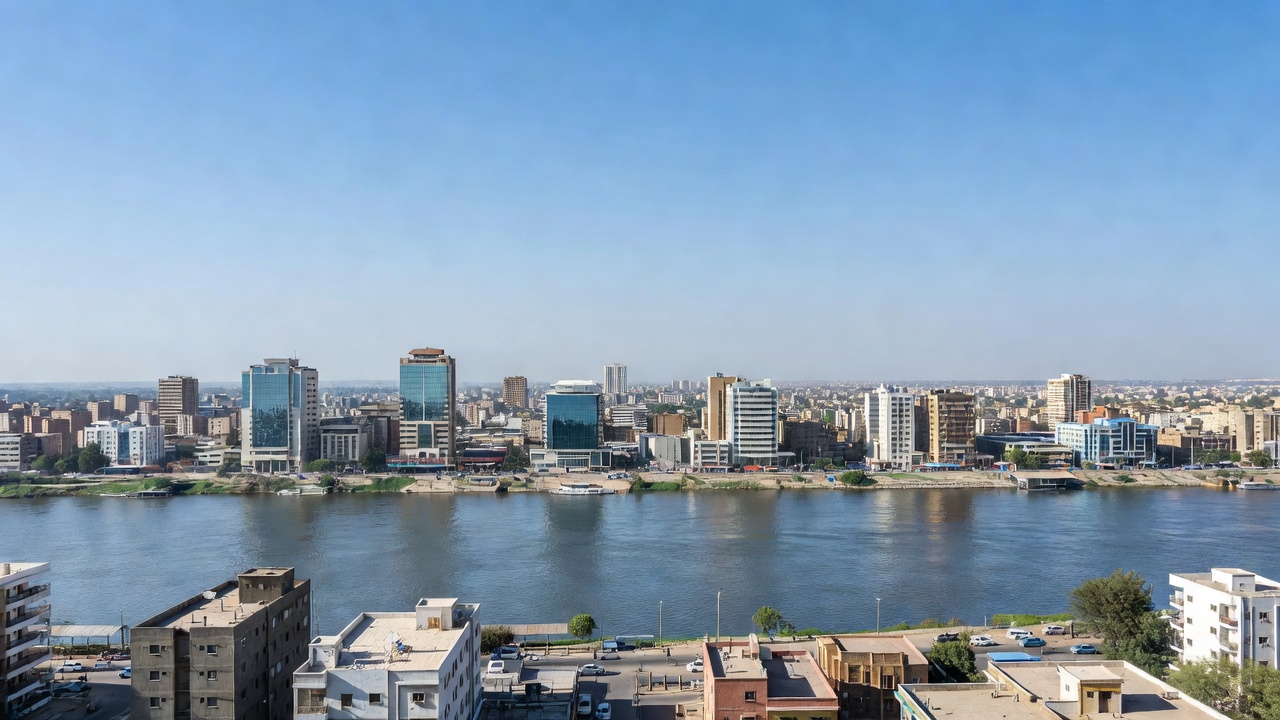
A drone strike attributed to the Rapid Support Forces killed five civilians in Khartoum, an independent Sudanese NGO reported on May 2, 2026, marking the second such attack in the capital within a week. Emergency Lawyers, a legal group supporting victims of human rights violations, accused the paramilitary faction of breaching international humanitarian law in the latest incident. The strikes occurred after months of relative calm in the city following its recapture by Sudanese government forces last year.
Emergency Lawyers reported that it holds the RSF fully responsible for the strike that targeted civilians in the capital. The group described the incident as part of an ongoing pattern of attacks on civilians across Sudan. United Nations figures cited in its statement placed the number of civilians killed in drone strikes at nearly 700 during the first three months of 2026. Subsequent UN assessments documented more than 1,000 civilian deaths from drone warfare in the first five months of the year.[[1]](https://www.aljazeera.com/news/2026/6/15/drone-warfare-kills-over-1000-in-sudan-in-2026-as-strikes-multiply-un)
The Sudanese Armed Forces launched a rapid counteroffensive last year that pushed the RSF out of Khartoum, after which the military government declared the region completely free of the paramilitaries. The RSF has since concentrated on expanding its control in the western Darfur region and seizing oil-producing assets including the Heglig field. Violence linked to the conflict has spread into southeastern Blue Nile state near the Ethiopian border, according to multiple conflict monitoring groups.
RSF drone strikes last year largely targeted military sites along with power stations and water infrastructure in the capital, Al Jazeera reported. More than 1.8 million displaced residents have returned to Khartoum in recent months as the city resumed domestic flights at its airport. Much of the urban area nevertheless continues to lack electricity and basic services, according to the same reporting.
The conflict between the Sudanese Armed Forces and the RSF, once an allied paramilitary group, erupted in April 2023. Around 14 million people have been displaced since the fighting began while two-thirds of Sudan’s population require urgent humanitarian support, United Nations data shows. Estimates of the overall death toll vary widely, with some independent counts exceeding 150,000, according to a mid-2026 situation analysis by the ReliefWeb humanitarian platform.[[2]](https://reliefweb.int/report/sudan/sudan-crisis-situation-analysis-period-250526-310526)
Acute food insecurity affected an estimated 19.5 million Sudanese as of mid-2026, rendering the country the world’s largest hunger crisis, the same analysis found. Famine conditions have been confirmed in parts of North Darfur and South Kordofan amid ongoing sieges and restricted aid access. The United Nations has repeatedly warned that escalating drone use has sharply increased civilian casualties throughout the conflict’s fourth year.