ع
ع


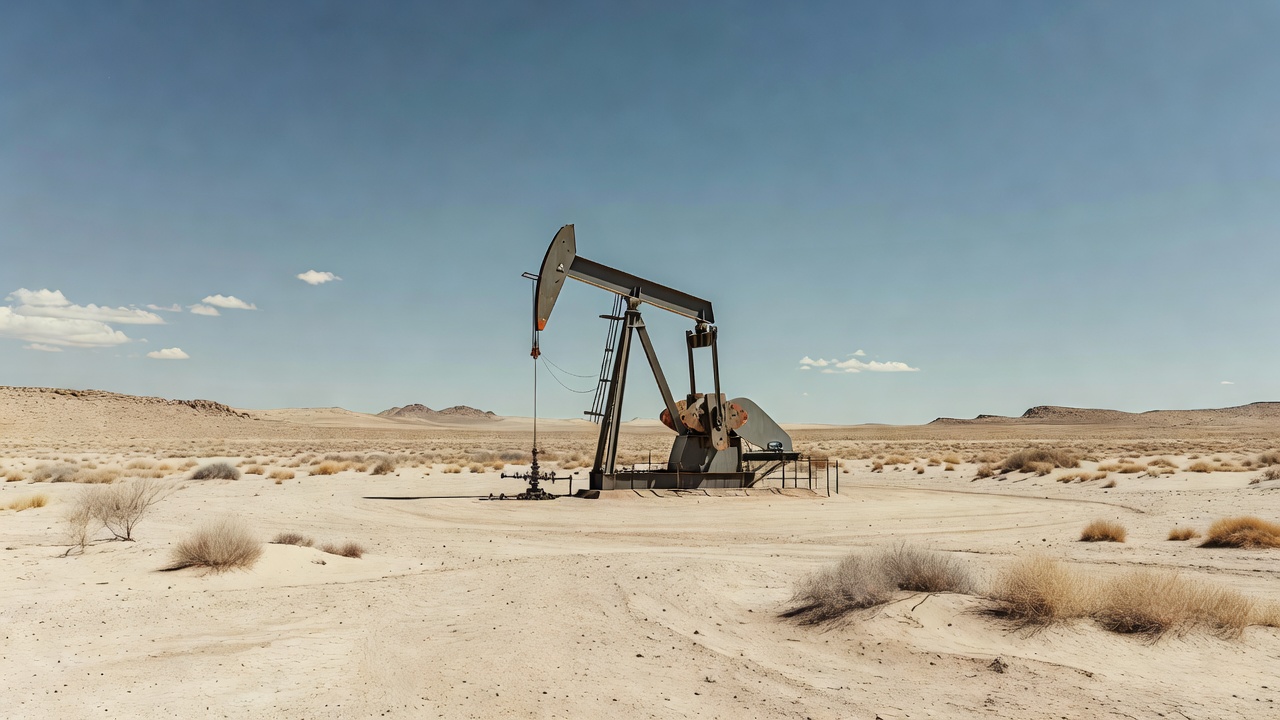
Oil prices edged lower Wednesday as a ceasefire in the Middle East eased supply fears and the IEA cut its demand outlook, WAM reported on June 18, 2026. Brent crude dropped $0.77 to $97.03 a barrel and WTI also fell, with analysts citing demand weakness of up to 2 million barrels per day as a key factor.
The Emirates News Agency detailed how the Israel-Lebanon ceasefire agreement announced earlier this month reduced the risk premium built into oil markets. According to Yahoo Finance, oil prices declined on Thursday following the announcement of the deal. This raised hopes for potential advances towards a wider agreement in the region and contributed to the downward movement in futures contracts.
Goldman Sachs estimates demand weakness reached as much as 2 million barrels per day in May based on oil sales data from China and Western Europe. Softer consumption could help offset the impact of tighter physical oil supplies according to the bank’s assessment. The bank sees a potential $10 downside risk to Brent crude prices in Q4 despite maintaining a base-case forecast of $90 per barrel.
The International Energy Agency lowered its global oil demand forecast for 2026 a move that added pressure on prices as reported by EnergyNow. Oil prices slipped on Thursday as investors weighed the IEA revision against potential escalation of U.S.-Iran tensions. Brent crude oil futures were down 19 cents or 0.27 percent at one point in trading.
Recent market action follows a period of gains driven by Middle East conflict risks that at one stage pushed analysts to warn of prices exceeding $125 a barrel if the Strait of Hormuz remained blocked. WSJ reporting indicated that oil futures settled higher in some sessions with strong weekly gains as the conflict extended. U.S. moves to deploy additional forces to the region had earlier supported the upward pressure on benchmarks.
Oil prices have shown choppy trade throughout 2026 with RTTNews describing sessions where futures edged lower amid the fluctuating news flow. The patterns come after oil posted its biggest annual loss since 2020 in the prior year CNBC reported in early January. Market participants continue to monitor diplomatic developments between the U.S. and Iran that could reopen key shipping routes and alter global supply balances.
WAM noted that the latest price movements reflect a balance between easing geopolitical tensions and underlying demand concerns that have begun to weigh on the market. Separate coverage from MarineLink highlighted how oil trended lower on Tuesday following sharp gains in the previous session. Traders remain focused on inventory data production decisions by major producers and the pace of any regional de-escalation.